Why Americans Are Flying 14 Hours for Korean Skin Clinics
Why Americans Are Flying 14 Hours for Korean Skin Clinics
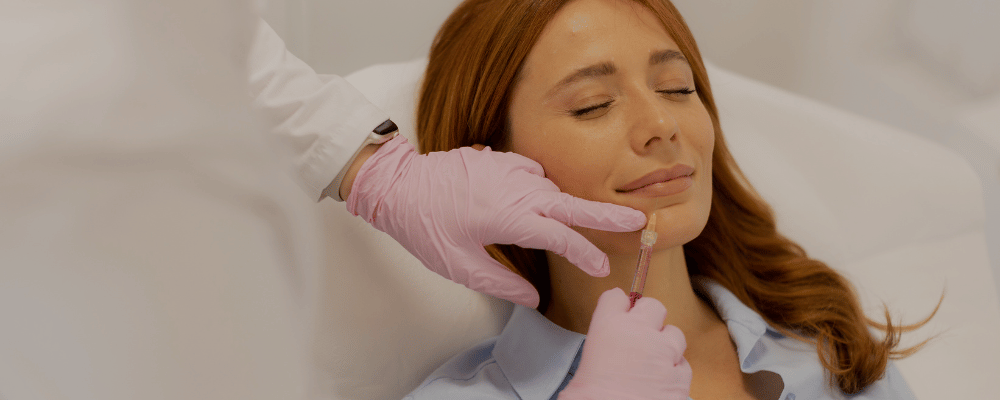
More Americans are traveling long-haul flights to Seoul not for surgery, but for advanced, non-surgical dermatology treatments. The main reason is simple: Korea offers a different model of skincare—one focused on combination treatments, fast results, and preventive skin maintenance rather than isolated procedures.
For many visitors, the experience feels less like cosmetic medicine and more like a highly optimized skin performance system.
Advanced Non-Surgical Treatment Systems
One of the biggest draws is Korea’s strength in non-invasive procedures.
Popular treatments include:
- Laser toning and Pico laser systems
- RF microneedling (Potenza, Sylfirm X)
- Skin boosters like Rejuran and Juvelook
- Non-surgical lifting (Thermage, Ultherapy, Oligio)
- Acne scar and pigmentation protocols
Instead of single treatments, Korean clinics design stacked treatment plans that address multiple layers of skin at once.
Combination Therapy Instead of Single Procedures
In many U.S. clinics, treatments are often done individually. In Korea, the standard approach is different.
Typical Korean session:
- Step 1: Laser for pigmentation or tone
- Step 2: Skin booster for hydration and repair
- Step 3: RF or HIFU for tightening
- Step 4: Recovery and calming care
This “multi-layer strategy” is one of the biggest reasons patients feel they get more visible improvement per visit.
Faster Results With Minimal Downtime
Time efficiency is a major factor for American travelers.
Korean advantages:
- Most treatments take 10–60 minutes
- Same-day return to normal activities
- Minimal recovery period for most procedures
- Ideal for short 3–7 day trips
This contrasts with more downtime-heavy or slower-treatment protocols elsewhere.
Strong Focus on Skin Quality, Not Just Correction
Korean dermatology emphasizes:
- Smooth texture
- Even skin tone
- Hydration and glow
- Natural-looking results
Rather than waiting for visible aging or damage, many treatments are designed for maintenance and prevention, which appeals to younger American patients in their 20s and 30s.
High-Tech Dermatology Ecosystem
Korea is known for rapid adoption of new aesthetic technology.
Commonly used systems include:
- Latest generation pico lasers
- Advanced RF microneedling devices
- High-frequency skin booster protocols
- Modern lifting machines (Ultherapy, Thermage FLX, Sofwave)
Clinics frequently combine multiple technologies in one visit, which is less common in many U.S. settings.
Medical Tourism Efficiency
Korean clinics are structured for international visitors.
Key advantages:
- Fast online booking systems
- English-speaking coordinators in major clinics
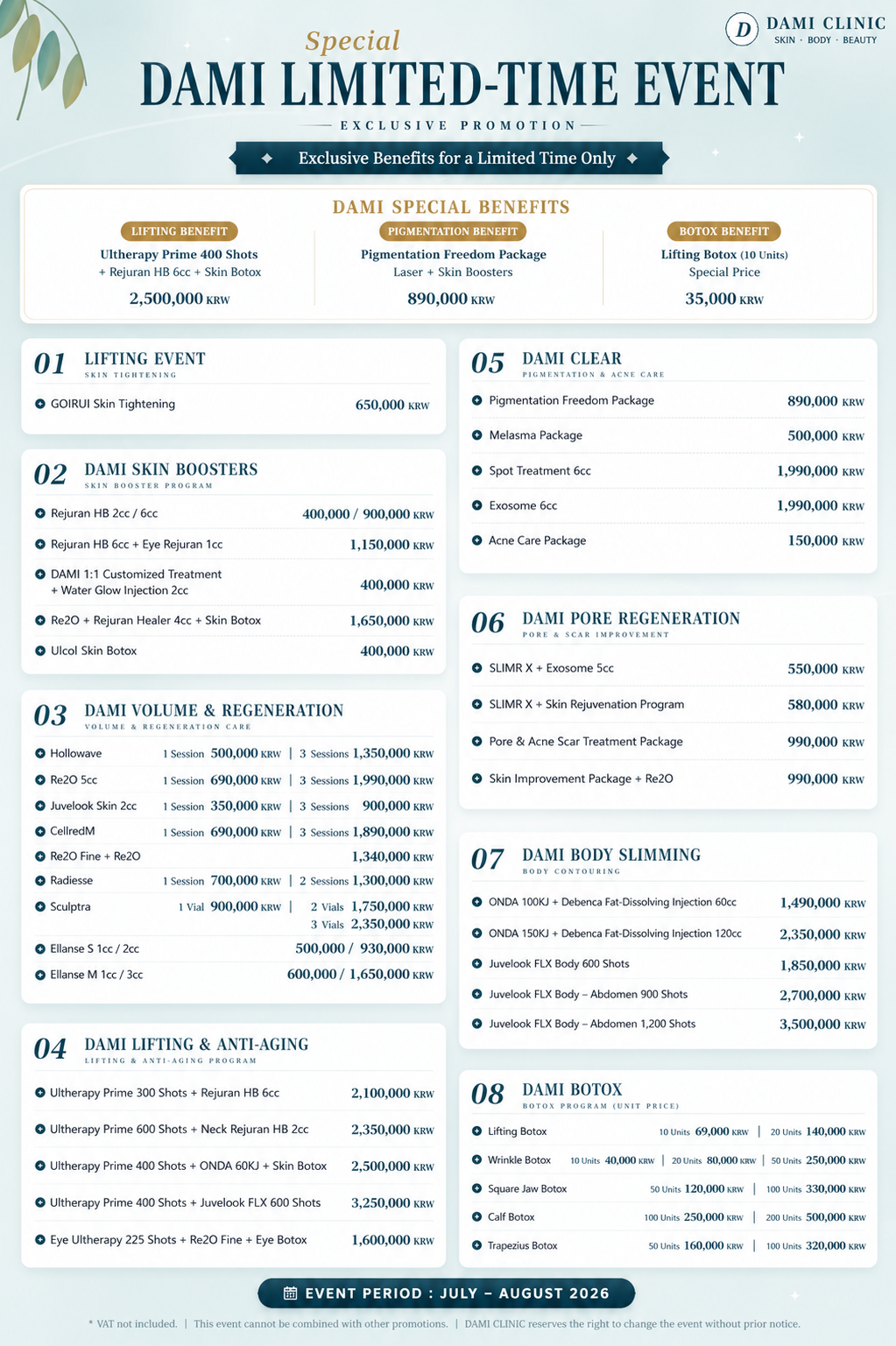
- Transparent treatment packages
- High clinic density in Seoul districts like Gangnam
- Same-day consultation and treatment availability
This makes short trips practical and efficient.
Natural Results Over Dramatic Change
Many American patients are not looking for dramatic transformation.
They prefer:
- Subtle facial refinement
- Healthier-looking skin
- Reduction of pigmentation or acne scars
- Improved texture without obvious intervention
Korean dermatology is strongly aligned with this “natural enhancement” philosophy.
Cost-to-Value Perception
While Korea is not always the cheapest option globally, patients often perceive better value because:
- Multiple treatments are combined in one visit
- Packages are structured efficiently
- Results are visible in fewer sessions
- Maintenance plans are standardized
This creates a perception of higher treatment efficiency per dollar spent.
Final thoughts
Americans fly to Korea for skin clinics because the country offers a highly developed system of non-surgical dermatology that emphasizes combination treatments, fast results, and preventive skin care. With advanced technology, efficient clinic systems, and a strong focus on natural-looking improvements, Korea provides a skincare experience that feels both modern and highly optimized for visible results within a short travel period.