The Rise of Preventive Dermatology
The Rise of Preventive Dermatology
For decades, dermatology was largely focused on correcting existing problems such as wrinkles, pigmentation, acne scars, and skin laxity. Today, a different philosophy is rapidly gaining momentum: preventive dermatology. Instead of waiting for visible aging or skin damage to appear, more patients are choosing treatments designed to maintain skin quality and slow future deterioration.
This shift is changing how clinics approach skincare, anti-aging, and long-term skin health.
What Is Preventive Dermatology?
Preventive dermatology focuses on maintaining healthy skin before major concerns develop.
Rather than treating:
- Deep wrinkles
- Significant skin laxity
- Advanced pigmentation
- Severe texture issues
The goal is to:
- Preserve collagen production
- Maintain skin elasticity
- Support barrier function
- Minimize future skin damage
- Slow visible aging processes
It is essentially the dermatological equivalent of preventive healthcare.
Why the Trend Is Growing
Several factors are driving increased interest in prevention.
Key reasons include:
- Greater awareness of skin aging processes
- Increased accessibility of non-surgical treatments
- Social media focus on long-term skin quality
- Improved understanding of UV damage
- Desire for natural-looking results
Many patients now prefer maintaining healthy skin gradually rather than pursuing aggressive correction later.
The Korean Influence
Korea has played a major role in popularizing preventive dermatology.
The Korean skincare philosophy emphasizes:
- Consistency over dramatic change
- Maintenance rather than correction
- Skin quality before facial alteration
- Long-term treatment planning
This approach has helped shape global demand for early intervention strategies.
Younger Patients Are Starting Earlier
A significant change in recent years is the age of patients entering aesthetic clinics.
Many people now begin preventive treatments in their:
- Mid-20s
- Late 20s
- Early 30s
Common goals include:
- Preserving collagen
- Preventing dynamic wrinkles
- Maintaining skin hydration
- Delaying visible aging
The focus is no longer on looking younger, but on staying youthful for longer.
Most Popular Preventive Treatments
Several treatments have become closely associated with preventive care.
Common options include:
- Skin boosters
- Laser toning
- Light Botox
- RF tightening treatments
- Pico laser maintenance sessions
- Hydration-focused procedures
These treatments generally require minimal downtime and can be incorporated into regular skincare routines.
The Rise of "Baby Botox"
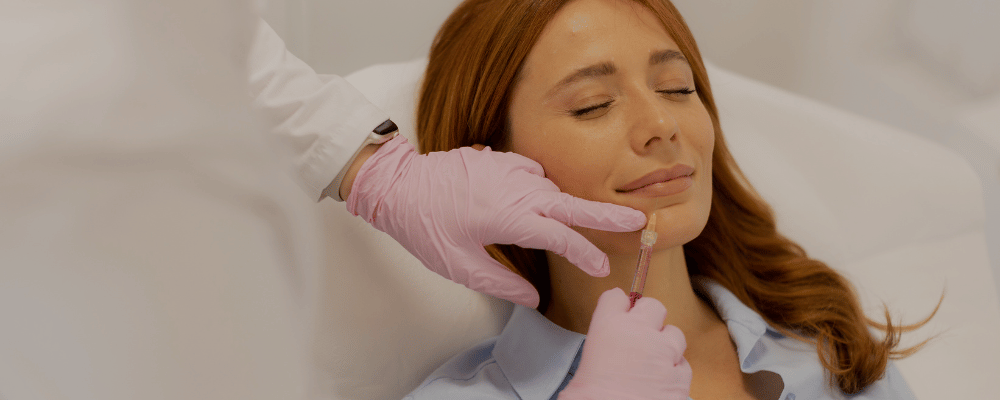
One of the clearest examples of preventive dermatology is the popularity of low-dose Botox.
Typical goals:
- Reduce repetitive muscle movement
- Prevent deeper wrinkle formation
- Maintain natural facial expression
- Slow progression of forehead and eye lines
Rather than eliminating wrinkles, the objective is to prevent them from becoming more pronounced over time.
Collagen Preservation Becomes a Priority
Modern anti-aging strategies increasingly focus on collagen.
Popular collagen-supporting treatments include:
- RF microneedling
- Skin boosters
- Regenerative injectables
- Energy-based tightening devices
Patients are becoming more interested in preserving collagen production than correcting collagen loss years later.
Technology Makes Prevention Easier
Advances in dermatology technology have made preventive care more accessible.
Examples include:
- AI-assisted skin analysis
- High-resolution imaging systems
- Personalized treatment planning
- Low-downtime energy devices
These tools allow clinics to identify concerns earlier and create more targeted maintenance programs.
The Economics of Prevention
Many patients also view preventive care as more cost-effective.
Benefits include:
- Smaller treatments performed consistently
- Reduced need for aggressive interventions later
- Better long-term skin quality
- Gradual and predictable maintenance
The philosophy is similar to regular dental care—maintaining health is often easier than restoring it.
From Anti-Aging to Skin Longevity
The language of aesthetics is evolving.
Instead of focusing solely on anti-aging, many clinics now emphasize:
- Skin longevity
- Healthy aging
- Regenerative maintenance
- Long-term resilience
The goal is not to stop aging, but to support healthier skin throughout the aging process.
How Preventive Dermatology May Evolve
Future developments are likely to include:
- AI-guided maintenance programs
- Personalized aging-risk assessments
- More regenerative therapies
- Combination prevention protocols
- Long-term subscription-style skin care plans
Preventive treatment programs may eventually become as common as annual health checkups.
Final Thoughts
The rise of preventive dermatology reflects a major shift in how people think about skin health and aging. Rather than waiting for wrinkles, pigmentation, or skin laxity to become significant concerns, patients are increasingly investing in early maintenance, collagen preservation, and long-term skin quality. As regenerative medicine and personalized treatment planning continue to advance, preventive dermatology is likely to become one of the defining trends of modern aesthetic care.