The Rise of Beauty Tourism in Korea
The Rise of Beauty Tourism in Korea
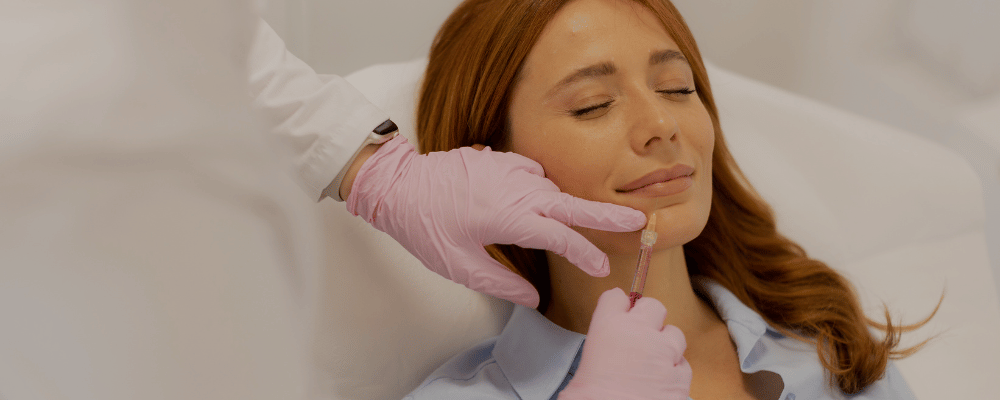
Beauty tourism in Korea has grown into a global phenomenon driven by one core shift: travelers are no longer coming only for sightseeing or surgery, but for fast, high-tech, non-surgical skin improvement programs. Seoul, in particular, has become a central destination where dermatology, technology, and travel infrastructure intersect.
Instead of long recovery cosmetic operations, Korea’s beauty tourism model is built around short visits, combination treatments, and visible skin changes within days.
From Medical Tourism to Beauty Tourism
Traditional medical tourism focused on:
- Plastic surgery
- Dental procedures
- Hospital-based treatments
Korea’s newer wave of tourism focuses on:
- Laser skin treatments
- Skin boosters and injectables
- Non-surgical lifting procedures
- Acne scar and pigmentation care
- Preventive anti-aging programs
This shift reflects a global preference for natural-looking improvement over dramatic surgical change.
Why Korea Became a Global Beauty Destination
Several structural advantages support this growth:
- High concentration of dermatology clinics in Seoul
- Rapid adoption of new aesthetic technologies
- Strong specialization in non-surgical procedures
- Efficient outpatient-based treatment systems
- Competitive clinic environment driving innovation
Together, these factors create a system optimized for frequent, low-downtime treatments.
The Core of Beauty Tourism: Combination Treatments
One defining feature of Korean clinics is the use of multi-layer treatment strategies in a single visit.
Typical combinations include:
- Laser toning + skin booster
- Pico laser + RF microneedling
- Botox + pore or contour treatment
- Lifting + regenerative injections
Instead of one isolated procedure, patients receive stacked treatments targeting multiple skin concerns at once.
The 2–3 Day Treatment Travel Model
Many visitors follow short, structured itineraries:
Day 1
- Consultation and skin analysis
- Light facial or laser treatment
Day 2
- Core treatments (laser + injections)
- Skin booster or microneedling
Day 3
- Recovery care and final glow enhancement
This makes it possible to return home with visible skin improvement in under a week.
Technology-Driven Skincare Experience
Korea’s beauty tourism industry is heavily supported by advanced devices:
- Pico laser systems for pigmentation
- RF microneedling for scars and pores
- Energy-based lifting devices (Thermage, Ultherapy, Oligio, Sofwave)
- Regenerative injectables like Rejuran and Juvelook
Clinics often integrate multiple technologies into a single treatment plan.
Why Short Travel Works So Well in Korea
Korean dermatology is structured for efficiency:
- Treatments often take 10–60 minutes
- Minimal downtime is required
- Same-day consultation and treatment is common
- Clinics are concentrated in accessible districts
- Easy scheduling for short stays
This makes Korea ideal for travelers with limited time.
The Role of Preventive Anti-Aging
A major driver of beauty tourism is Korea’s preventive approach.
Instead of waiting for aging signs, patients focus on:
- Early skin maintenance
- Regular laser toning
- Periodic skin booster treatments
- Gentle lifting procedures
This creates a system of continuous skin improvement rather than one-time correction.
Who Is Driving the Boom
Beauty tourism in Korea is fueled by:
- Visitors from the US, Southeast Asia, and the Middle East
- Young professionals seeking skin maintenance
- Social media and influencer-driven skincare trends
- Repeat medical tourists returning for follow-up care
- Acne scar and pigmentation patients seeking advanced solutions
The audience is increasingly global and repeat-based.
How It Differs From Traditional Spa Tourism
Unlike spa-focused destinations, Korea emphasizes:
- Medical-grade dermatology over relaxation
- Visible results over sensory experience
- Combination therapy over single treatments
- Fast procedures over long spa sessions
This creates a more results-driven travel experience.
Economic and Cultural Impact
Beauty tourism now supports:
- Dermatology clinics and medical staff
- Medical coordinators and translators
- Hotels and short-stay accommodations
- Skincare and cosmetic industries
- Medical travel agencies and platforms
It has become a key segment of Seoul’s modern service economy.
Final thoughts
The rise of beauty tourism in Korea is driven by a unique combination of advanced dermatology technology, efficient clinic systems, and a cultural focus on skin quality and preventive care. By offering fast, combination-based treatments with minimal downtime, Korea has positioned itself as one of the world’s leading destinations for non-surgical aesthetic travel, where visitors can achieve visible skin improvements within just a few days.